Wednesday, 20 November 2024
How to Build a Wooden Canoe: Tips for Efficient Construction
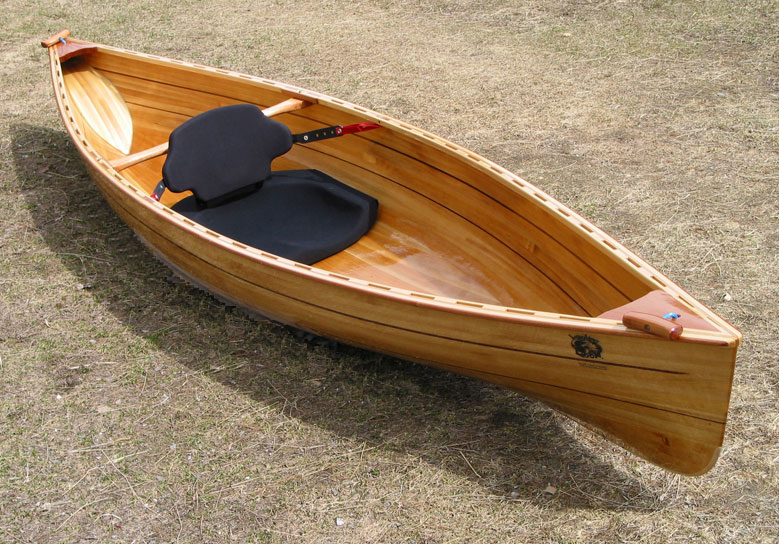
Building Your Own Wooden Canoe: A Journey of Skill and Beauty
Hey there, fellow adventurer! Ever dreamed of gliding across tranquil waters in a vessel you built yourself? Well, the dream of owning a handcrafted wooden canoe is more achievable than you think! It's a project that demands time, patience, and skill, but the reward of paddling a canoe you've built from scratch is truly unparalleled. Let's embark on this adventure together and explore the steps to building your own wooden canoe.
Choosing Your Canvas: Selecting the Perfect Canoe Design
Before diving into the woodshop, take a moment to visualize your ideal canoe. Are you dreaming of a sleek racing canoe, a sturdy fishing companion, or a graceful tandem for leisurely paddles? Consider your desired length, width, and capacity. Do you want a lightweight design for easy portaging or a robust hull for carrying gear? Once you've got a clear image, explore different canoe designs.
There are numerous resources available to help you choose the perfect plan:
- Online Plans: Websites like Canoecopia offer a vast collection of canoe plans. You can filter by size, material, and skill level.
- Books: Books like "The Wooden Boat Builder" by Ted Hood and "The Complete Guide to Building a Wooden Canoe" by John Harris provide detailed instructions and plans.
- Local Boatbuilding Clubs: Joining a local boatbuilding club can connect you with experienced builders who can offer guidance and insights on choosing a plan.
Gathering Your Arsenal: Essential Tools and Materials
Now that you've selected your design, it's time to gather your tools and materials. This is where the fun begins!
Tools You'll Need:
- Hand Tools: Measuring tape, square, pencil, saw, hand plane, chisels, hammer, mallet, clamps, sandpaper, rasps.
- Power Tools: Drill, router, jig saw, belt sander, random orbit sander.
- Specialized Tools: Canoe building jig, steam bending apparatus (for certain designs), epoxy resin and hardener, varnish, paint.
Materials Needed:
- Wood: Cedar, spruce, or other suitable wood for the hull. Birch, ash, or oak for ribs and frames. (Consult your chosen plan for specific recommendations.)
- Fasteners: Screws, nails, copper rivets.
- Epoxy Resin: For bonding wood and sealing the hull.
- Fiberglass Cloth: For additional strength and waterproofing.
- Finishing Materials: Varnish, paint, marine sealant, sanding paper, polishing compound.
Crafting the Skeleton: Building the Canoe Frame
With your tools and materials ready, you're now ready to bring your design to life! The first step is constructing the canoe frame. This is the foundational structure that will hold the canoe's shape.
- Stems and Ribs: Begin by shaping the stems, which form the bow and stern of the canoe. Then, create the ribs, which will be the curved support structures for the hull. Follow your chosen plan's instructions meticulously for angles and spacing.
- Stringer: The stringer is a long piece of wood that runs down the center of the canoe, providing additional support. It's crucial for maintaining the canoe's overall strength and stability.
- Assembly: Once all the ribs are cut, the frame can be assembled. Attach the ribs to the stems and stringer using epoxy resin and screws. Remember to ensure that the frame is perfectly aligned and symmetrical.
Laying the Skin: Planking the Canoe Hull
Now for the magic! Building the canoe hull with planks is a rewarding and fascinating process.
- Choosing Planks: Select high-quality wood planks for the hull. The thickness of the planks will depend on the design and size of the canoe.
- Steam Bending: If your design requires curved planks, you'll need to steam bend them. This involves soaking the planks in hot water or steam and then bending them over a jig to shape them. The planks must be carefully secured while they cool and solidify in their new shape.
- Plank Attachment: Once the planks are ready, attach them to the frame using epoxy resin and screws, starting at the keel and working up to the gunwales. Each plank should be carefully fitted and aligned with the previous ones.
- Caulking: After the planking is complete, use caulking to fill in any gaps between the planks, ensuring a watertight hull.
Adding Strength and Finishing Touches
The canoe is taking shape! Now it's time to give it the finishing touches.
- Fiberglassing: Apply layers of fiberglass cloth over the hull. This will create a strong, waterproof barrier, adding durability and protection.
- Sanding and Shaping: Sand the canoe hull smooth and even using various grits of sandpaper. This process will refine the canoe's shape and prepare it for finishing.
- Varnishing and Painting: Apply multiple coats of varnish or paint to protect the wood and give the canoe a beautiful finish. Choose a marine-grade product for long-lasting protection.
- Seats and Thwarts: Install the seats and thwarts (cross-pieces for bracing your legs) to create a comfortable and functional paddling space.
- Outfitting: Add any desired extras, such as a carrying yoke, a bow and stern deck, and portage handles, to personalize your canoe.
Launching Your Creation: Paddling into Adventure
Congratulations! You've built your own wooden canoe! The moment you launch it on the water is unforgettable. Feel the pride as you glide across the water, a testament to your skill and craftsmanship.
Commonly Asked Questions:
How long does it take to build a canoe?
The time it takes to build a canoe varies greatly depending on the design complexity and your experience. It can range from a few weeks to several months.
How much does it cost to build a canoe?
The cost of building a canoe depends on the materials you choose and the complexity of the design. On average, it can cost anywhere from $500 to $2000.
Do I need any special skills to build a canoe?
While some woodworking experience is helpful, it's not essential. With patience, dedication, and good instructions, you can learn the skills you need to build a beautiful and functional canoe.
What's the best wood to use for a canoe?
Cedar, spruce, and mahogany are popular choices for canoe hulls due to their lightweight, durable, and attractive qualities. For frames and ribs, birch, ash, and oak are strong and resilient options.
Is there a way to learn more about canoe building?
Absolutely! Joining a local boatbuilding club, taking workshops, and reading books and online articles can provide valuable knowledge and skills. Don't be afraid to ask for advice from experienced canoe builders!
So, what are you waiting for? Grab your tools, get ready to learn, and embark on the exciting journey of building your own wooden canoe!

No comments:
Post a Comment