Wednesday, 20 November 2024
How to Build a Stable Aluminum Boat for Shallow Water Navigation
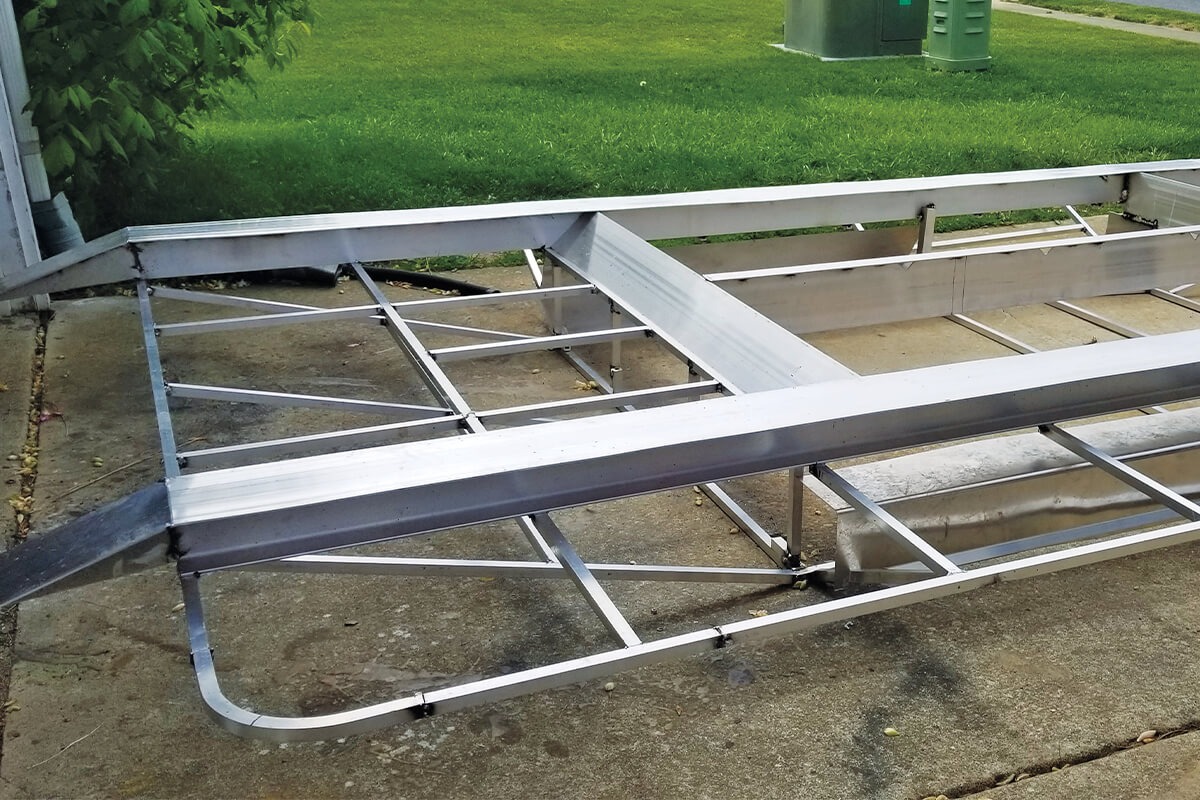
Building a Stable Aluminum Boat for Shallow Water Navigation
Navigating shallow waters requires a boat designed for stability and maneuverability. Aluminum boats are an excellent choice for this purpose due to their durability, lightweight nature, and affordability. This comprehensive guide will walk you through the process of building a stable aluminum boat specifically tailored for shallow water navigation.
Choosing the Right Aluminum
The first step in building your boat is selecting the appropriate aluminum. The alloy's thickness and temper determine the boat's strength and durability.
Aluminum Alloy Selection
For shallow water boats, marine-grade aluminum alloys like 5052 or 6061 are recommended. These alloys offer excellent resistance to corrosion and possess good strength-to-weight ratios.
Thickness Considerations
The aluminum thickness depends on the boat's size and intended use. For smaller, lighter boats, 1/8-inch thick aluminum may suffice. However, larger boats and those intended for more demanding applications require thicker aluminum, ranging from 1/4 inch to 3/8 inch.
Designing for Stability and Shallow Water Navigation
A stable shallow water boat needs a carefully designed hull shape and specific features to ensure safe and efficient navigation in shallow and potentially rough conditions.
Hull Shape Considerations
A flat bottom with a moderate V-shaped bow is ideal for shallow water navigation. The flat bottom provides stability and allows the boat to glide over shallow waters, while the V-shaped bow cuts through waves and improves handling.
Shallow Water Features
- Shallow Draft: A shallow draft is crucial for navigating shallow waters. This is achieved by keeping the hull design shallow and potentially incorporating a shallow water running design.
- Outboard Motor: Outboard motors offer excellent maneuverability in shallow water. They can be raised or lowered, allowing the boat to navigate over obstacles and shallow areas.
- Wide Beam: A wider beam provides greater stability, particularly when navigating rough water or carrying cargo.
- High Freeboard: High freeboard ensures that the boat stays afloat even in choppy water.
- Protective Features: Consider incorporating features such as keel guards to protect the bottom of the boat from scraping on the bottom or debris in shallow water.
Construction Process: From Cutting to Assembly
Constructing your aluminum boat requires precision and attention to detail. Follow these steps for a successful build:
Cutting and Forming the Aluminum
Utilize a CNC plasma cutter or shears to cut the aluminum panels according to your boat design. Employ bending brakes or hand bending techniques to shape the aluminum into the desired hull form.
Welding the Hull
Weld the aluminum panels using a high-quality TIG welder. Ensure proper preparation and welding techniques to create strong and watertight seams.
Installing Deck and Internal Structures
Fabricate and install the deck and internal structures like stringers and bulkheads using aluminum sheet metal and welding techniques.
Adding Accessories and Finishing Touches
Install necessary accessories such as seats, storage compartments, and a motor mount. Choose durable materials that can withstand the harsh conditions encountered in shallow water.
Final Inspection and Launch
Conduct a thorough inspection of the completed boat to ensure all welds are sound, and the construction is free from defects. Launch your new aluminum boat and enjoy exploring shallow waters with confidence.
Safety Considerations
While aluminum boats are sturdy, safe navigation in shallow water requires awareness and precautions:
- Depth Sounder: Use a depth sounder to avoid running aground.
- Boat Handling: Master boat handling techniques for navigating tight spaces and avoiding obstacles.
- Navigation Charts: Use accurate navigation charts to identify potential hazards and shallow areas.
- Weather Awareness: Stay informed about weather conditions and avoid navigating in adverse conditions.
Conclusion
Building a stable aluminum boat for shallow water navigation is a rewarding endeavor. By choosing the right materials, designing for stability, and meticulously following construction steps, you can create a durable and reliable craft for navigating shallow waters.
Remember to always prioritize safety, practice responsible boat handling, and enjoy the thrill of exploring new and exciting shallow water locations.

No comments:
Post a Comment