Sunday, 24 November 2024
Detailed Duck Boat Plans for All Types of Watercraft
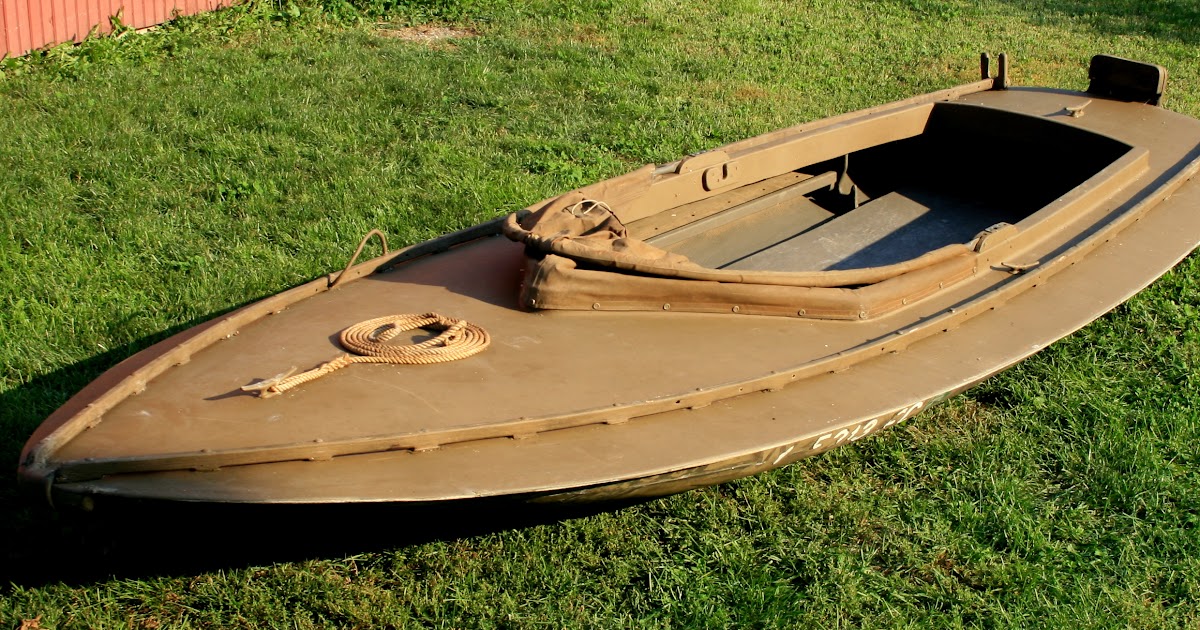
Beyond the Blueprint: Unveiling Hidden Potential in Detailed Duck Boat Plans
Duck boats â€" those amphibious marvels â€" have captivated enthusiasts for decades. But beyond the readily available plans, lies a world of untapped potential waiting to be explored. This review delves into "Detailed Duck Boat Plans for All Types of Watercraft," not to reiterate the basics, but to unearth the less-discussed aspects crucial for successful and innovative designs.
The Unsung Heroes: Material Selection and its Impact
Most plans focus on the *what* â€" the dimensions and construction â€" but rarely delve into the *why* of material choices. This is a critical oversight.
Q: Beyond the standard plywood and fiberglass, what alternative materials can revolutionize duck boat construction?
A: Think beyond tradition! Consider using sustainable and high-performance materials like:
- Bamboo composites: Offering impressive strength-to-weight ratios and environmental benefits.
- Recycled plastics: A sustainable choice with potential for increased durability and buoyancy.
- Advanced polymers: These allow for intricate shaping and potentially lighter designs, reducing fuel consumption (a significant factor for amphibious vehicles).
Careful consideration of material properties like flexural strength, water absorption, and UV resistance is key to long-term durability and performance, going beyond the standard plan specifications.
Beyond the Hull: Optimizing Amphibious Functionality
Many plans simply present the hull design. However, the true challenge lies in seamlessly integrating the land and water capabilities.
Q: How can we improve the transition between land and water, minimizing stress on the vessel and enhancing user experience?
A: This requires a holistic approach:
- Advanced wheel systems: Exploring innovative suspension systems or even tracked propulsion for enhanced land mobility, especially on uneven terrain.
- Hydrodynamic optimization: Employing computational fluid dynamics (CFD) modeling to fine-tune the hull design for minimized drag and increased efficiency in the water. This goes beyond basic plan estimations.
- Seal design and materials: Critical for watertight integrity, especially considering the harsh conditions duck boats often face. Experimenting with advanced sealing techniques and materials is crucial. The plans rarely detail these complexities.
A successful amphibious vessel isn't just about the hull; it's about the harmonious interaction of all its systems.
The Human Factor: Ergonomics and User Experience
While plans often include dimensions, they rarely address the crucial aspect of user comfort and safety.
Q: How can we enhance the user experience, considering factors beyond the basic dimensions provided in typical plans?
A: This demands a user-centered design approach:
- Improved seating and access: Ergonomic seating arrangements, easy access points, and thoughtful placement of controls can significantly enhance the experience.
- Safety features: Integrating advanced safety systems, including improved lighting, emergency signaling, and robust structural reinforcements, are often overlooked aspects.
- Customization options: Developing plans that allow for personalization based on individual needs and preferences (e.g., specific hunting configurations, fishing platforms) adds significant value.
By incorporating ergonomic principles and safety considerations, duck boat plans can evolve from mere blueprints to designs that prioritize the user.
Real-World Application: A Case Study
A recent project by a group of engineering students at MIT showcased the potential for innovation. They integrated a remotely operated vehicle (ROV) into their custom-designed duck boat, enabling underwater exploration and data collection. This illustrates how well-designed plans can serve as a foundation for further customization and innovation.
In conclusion, while "Detailed Duck Boat Plans for All Types of Watercraft" provides a valuable starting point, true innovation lies in pushing beyond the limitations of standard designs. By embracing new materials, optimizing functionality, prioritizing user experience, and fostering creativity, we can unlock the full potential of amphibious craft.

No comments:
Post a Comment